Reaching New Heights: Is Indoor Rock Climbing a Good Date?
A practical UK guide to planning an indoor climbing date, including beginner formats, safety, access, cost checks and what to bring.
Introduction
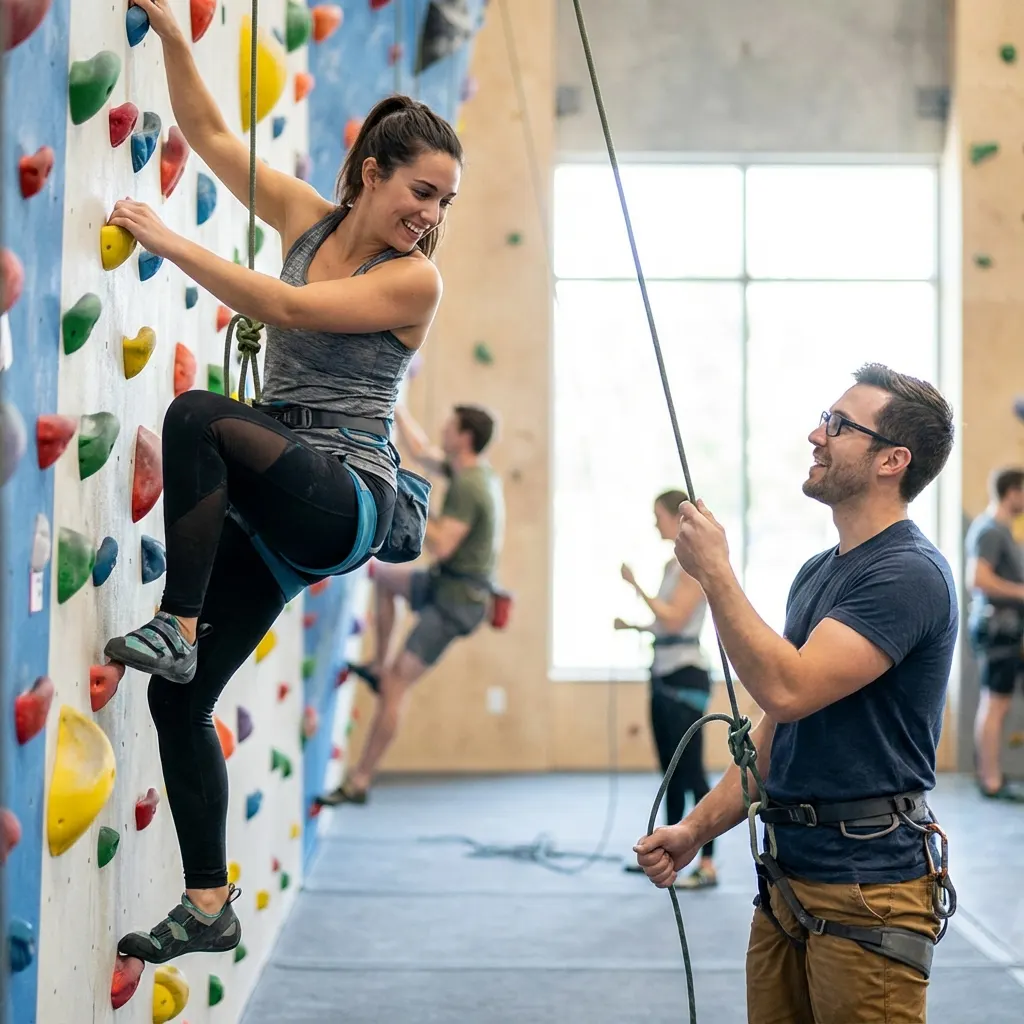
Indoor climbing can make a lively date because it combines a shared challenge with natural breaks for conversation. This guide explains how to choose between bouldering and roped climbing, check the practical details and make a first session comfortable for both people.
Why Indoor Climbing Appeals to Modern Daters
1. Shared Challenge, Shared Laughter
Climbing is a goal-oriented activity with obvious opportunities to solve problems and celebrate small wins together. Keep encouragement genuine and avoid turning the session into a test of fitness.
2. Low Commitment, High Flexibility
Unlike outdoor crags, indoor walls operate year‑round, often with extended opening hours. This makes it easy to fit a session into a weekday evening or a weekend brunch plan.
3. Inclusive for All Fitness Levels
Indoor walls offer a spectrum of routes from beginner “grade 4” to elite “grade 8”. Most gyms provide introductory “intro to climbing” sessions that teach basic belaying and movement for as little as £10‑£15 per person.
4. Social Atmosphere
Gyms such as The Climbing Works (Sheffield) and The Arch (London) host community nights, competitions and yoga‑climb hybrids, creating a relaxed environment where couples can mingle without the pressure of a formal dinner.
Choose bouldering or roped climbing
| Format | What to expect | Best for |
|---|---|---|
| Bouldering | Short walls, padded floors and no ropes; venues require a safety induction | A simpler first visit where both people can climb independently |
| Auto-belay | Taller routes using an automated safety device, where offered | People who want height without learning to belay each other |
| Roped climbing | Harnesses, knots and a trained belayer; beginners usually need an instructed session | A longer date built around learning a new skill together |
Use the venue’s own description and booking rules. Do not assume experience at one wall automatically qualifies you to use another unsupervised.
Physical & Mental Benefits – The Date‑Boosters
| Benefit | How it helps a date |
|---|---|
| Movement | Makes the plan feel active without requiring a competitive format |
| Clear turns | Creates natural pauses to talk and encourage one another |
| Communication | Instructed roped sessions teach precise commands and checks |
| Problem-solving | Reading a route provides an easy shared puzzle |
Climbing gives you a shared challenge, natural breaks for conversation and obvious opportunities to encourage one another. Those practical qualities are a stronger reason to choose it than an unsupported claim about relationship outcomes.
Safety First: What Couples Should Know
Follow the centre’s induction and staff instructions. Climbing has real risks, and a date is not the time to skip checks or attempt moves beyond either person’s comfort.
Practical safety tips for a date:
- Take the intro class – Most gyms require newcomers to complete a brief safety briefing; it’s a perfect ice‑breaker.
- Use proper harness fit – Ensure straps are snug but not restrictive; a partner can help check each other’s gear.
- Communicate belay commands – “Climbing”, “Take”, “Slack”, “Off” – rehearse together before the first climb.
- Warm‑up together – Light cardio and dynamic stretches reduce muscle strains.
- Start on low‑grade boulders – Choose problems rated 4‑5 (V0‑V1) to build confidence before tackling harder routes.
By following these precautions, the risk of serious injury remains low, and most incidents are minor bruises or sore muscles.
Check the full cost
Compare the current price of entry, compulsory induction or instructed session, shoe and harness hire, lockers and booking fees on the venue’s official site. A cheap entry price can be misleading if beginners must buy a separate course. Avoid relying on temporary “date night” promotions.
Choosing the Perfect Venue
Search for a centre that clearly explains its first-timer process. Check public transport, step-free access, changing facilities, sensory or quieter sessions, equipment hire and whether spectators need to pay. Confirm every detail with the centre directly because facilities and rules change.
How to Structure the Perfect Climbing Date
- Pre‑date prep (15 min) – Meet at the gym lobby, exchange gear, and complete the safety brief together.
- Warm‑up (10 min) – Light cardio on the treadmill or a few easy traverses.
- Skill swap (20 min) – One partner leads a short belay lesson; the other climbs a beginner route, then switch.
- Mini‑challenge (15 min) – Choose a low‑grade bouldering problem and attempt it together, cheering each other on.
- Cool‑down & chat (20 min) – Stretch on the mat, then head to the on‑site café for coffee or a smoothie. Use the time to discuss favourite routes, travel dreams, or future outdoor climbs.
Total time: ≈1 hour 30 minutes, fitting comfortably into a typical evening schedule.
Potential Drawbacks & How to Overcome Them
| Concern | Reality | Solution |
|---|---|---|
| Intimidation for beginners | First‑time climbers may feel self‑conscious | Choose a gym with a dedicated beginner zone and friendly staff; arrive early to avoid crowds. |
| Risk of injury | Minor sprains or finger strains are possible | Warm‑up properly, start on low grades, and respect your limits. |
| Cost perception | Memberships can seem pricey | Opt for day‑passes or look for “date night” discounts; many gyms offer a free trial for the first visit. |
| Weather‑independent but indoor | Some prefer outdoor ambience | Pair the indoor session with an outdoor walk or park picnic afterwards to balance the experience. |
By anticipating these issues, you can turn potential obstacles into opportunities for creativity.
Frequently Asked Questions
Q: Do we need prior climbing experience?
A: No. Most UK gyms provide a 30‑minute introductory class covering basic knots, belaying and movement. It’s ideal for a first‑date experience.
Q: What should we wear?
A: Comfortable athletic wear (flexible trousers or leggings). Avoid overly baggy clothes that can snag on holds. Most gyms supply climbing shoes; bring socks if you prefer.
Q: Is it okay to bring a camera?
A: Many walls prohibit flash photography on the climbing floor for safety, but you can capture moments in the lobby or café areas. Ask staff for guidance.
Q: How long does a typical session last?
A: A day‑pass usually grants unlimited climbing for 2–3 hours. For a date, 90 minutes is ample to try several routes and still have time for a coffee.
Conclusion
Indoor climbing can be active, collaborative and easy to extend with a post-session coffee. Book the correct beginner format, follow the induction and keep the challenge supportive rather than competitive.